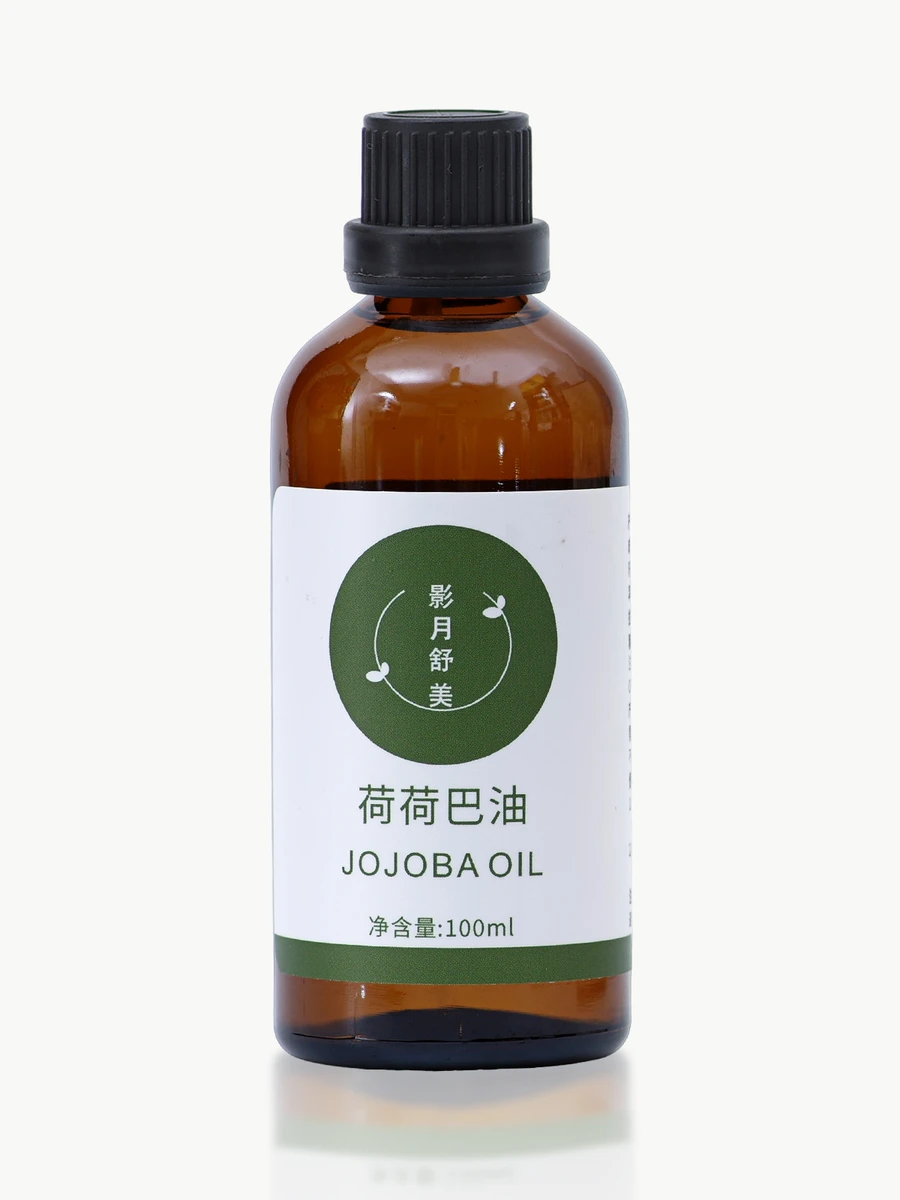
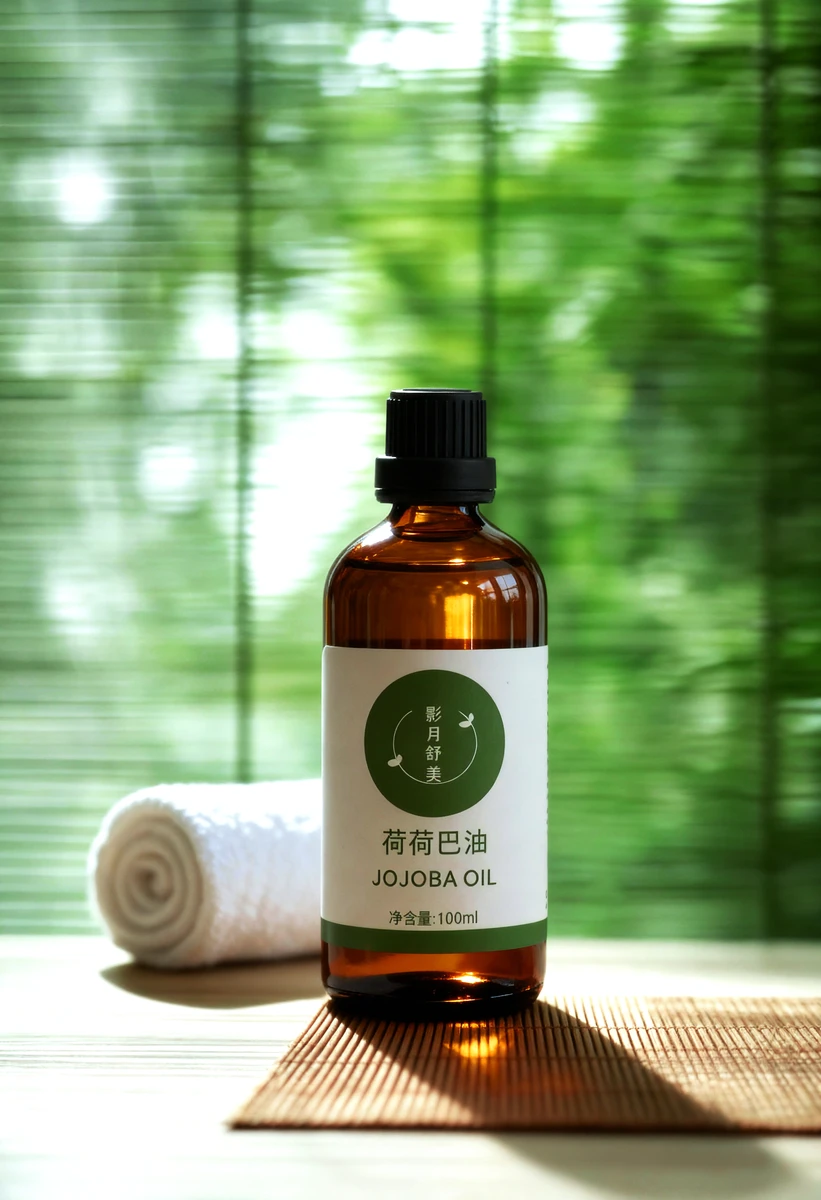
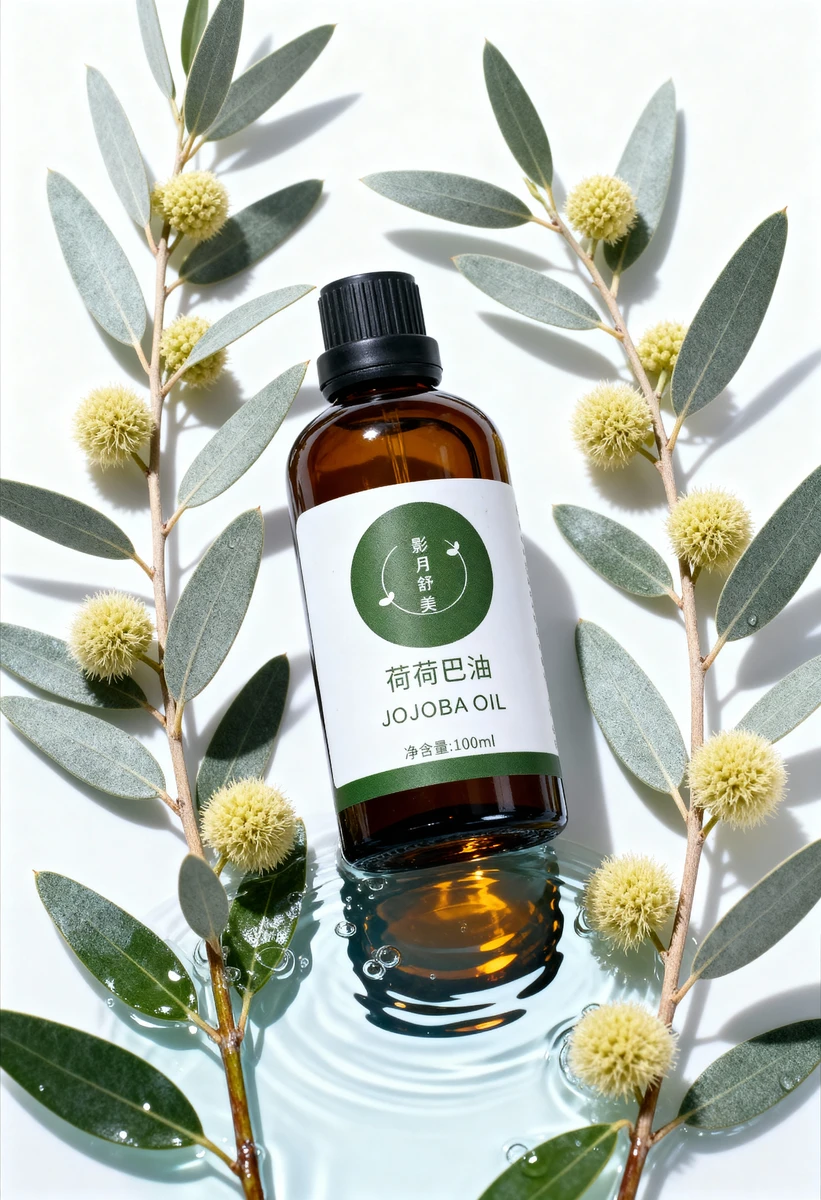
Jojoba Oil
$104.00
Jojoba Oil: Moisturizing the Sanjiao, Harmonizing Yin and Yang—A Traditional Chinese Medicine Approach to Wellness
“Nature’s liquid gold”
Enters the Lung, the Spleen, and the Liver Meridian
Common benefits: nourishing yin and moistening dryness, enriching blood and unblocking collaterals, and detoxifying and reducing swelling.
Introduction
In Traditional Chinese Medicine (TCM), impaired distribution of body fluids and failure of the internal organs to remain moisturized are fundamental pathological mechanisms underlying many dry conditions. Although jojoba oil originates from the West, its light, non-greasy, and deeply nourishing properties align perfectly with the TCM treatment philosophy of “moistening as tonifying.” It serves as a unique medium for harmonizing yin and yang, moistening dryness, and unblocking collaterals.
I. Jojoba Oil and Its Role in TCM Pattern Differentiation
Although not a conventional Chinese herb, jojoba oil is considered sweet and mild in flavor, neutral in nature, and it enters to the lung, spleen, and liver. Its functions include nourishing yin and moistening dryness, enriching blood and unblocking collaterals, and detoxifying and reducing swelling. It is particularly suitable for patterns such as yin deficiency with blood dryness, insufficient body fluids, or malnourished meridians, which may manifest as dry skin, brittle hair, stiff joints, or dry constipation. Its molecular structure is similar to human sebum, offering excellent permeability, and it is known as “nature’s liquid gold.”
• Nourishing Yin and Moistening Dryness, Hydrating the Organs
The lung governs the skin and body hair, and the spleen governs transportation and transformation. Jojoba oil can moisten the lung and benefit the spleen, making it useful for dry, itchy skin or dry cough due to lung yin deficiency, or dry mouth and constipation due to spleen yin deficiency. Massaging acupoints such as Feishu (BL13), Pishu (BL20), and Sanyinjiao (SP6) with an appropriate amount of oil can enhance fluid distribution, reflecting the TCM treatment principle of “moistening what is dry.”
• Enriching Blood and Unblocking Collaterals, Softening Tendons and Easing Joints
The liver governs the tendons, and blood provides nourishment. Jojoba oil can enrich blood and soften tendons, making it beneficial for joint stiffness and muscle spasms caused by blood deficiency and malnourished jin mai(sinews and vessels). When blended with blood-activating essential oils and massaged on Yongquan (KI1), Xuehai (SP10), and Yanglingquan (GB34), it can improve local circulation, aligning with the TCM theory that “treating wind must treat the blood first—when blood moves, wind dissipates on its own.”
• Detoxifying and Reducing Swelling, Healing Sores and Generating Tissue
This oil has a mild detoxifying and wound-healing effect, making it suitable for mild heat-toxin conditions such as eczema, acne, or minor burns. Its cooling and moisturizing properties can clear heat and reduce swelling. When combined with herbs like honeysuckle or lavender, it enhances efficacy, embodying the TCM concepts that “the lung governs the skin and body hair” and “promoting pus formation generates new tissue” in external treatment.
• Harmonizing Various Remedies, Guiding and Potentiating Effects
As a carrier oil, jojoba oil can synergistically enhance the effects of essential oils while reducing irritation. Its penetrating quality helps guide therapeutic force directly to the affected area, much like a “guide drug” in TCM, achieving “potent and focused” therapeutic results.
II. Usage Precautions
1. Use with caution in individuals with nut allergies.
2. Those with oily skin should use it in moderation.
3. Store in a sealed container away from light to prevent oxidation.
4. For external use only; not for oral consumption.
III. Conclusion
Jojoba oil is not only a foundational carrier in aromatherapy but also an innovative application of the TCM theory that “body fluids and blood share a common source” in modern wellness. With moisture as its substance and unblocking as its function, it nourishes yin, moistens dryness, enriches blood, and unblocks collaterals—demonstrating the TCM holistic view of “human-centered care.” As stated in the 《Huangdi Neijing》: “Carefully observe where yin and yang reside and regulate them to achieve balance.” This drop of oil, originating from the desert, carries infinite possibilities for the integration of Eastern and Western wellness wisdom.