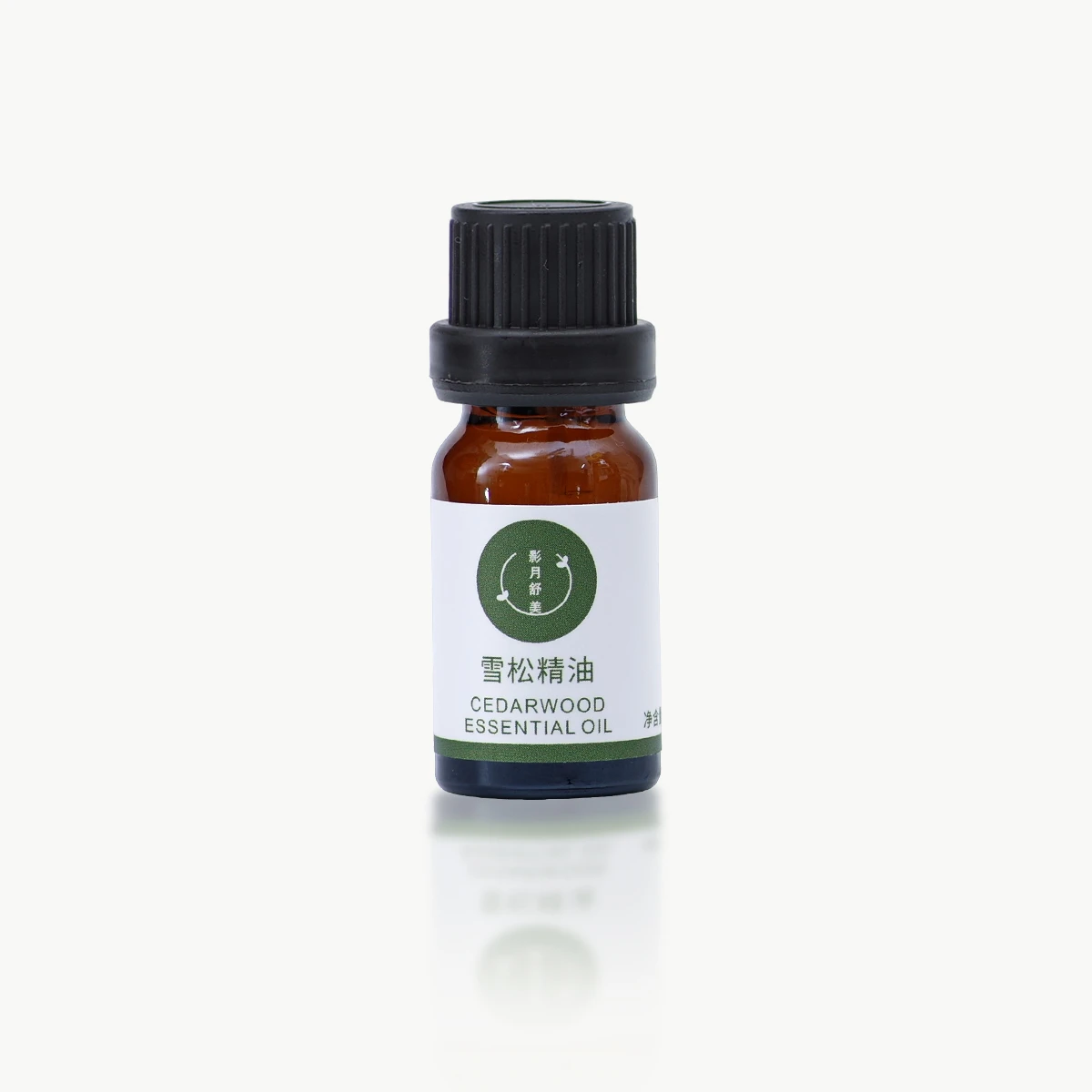
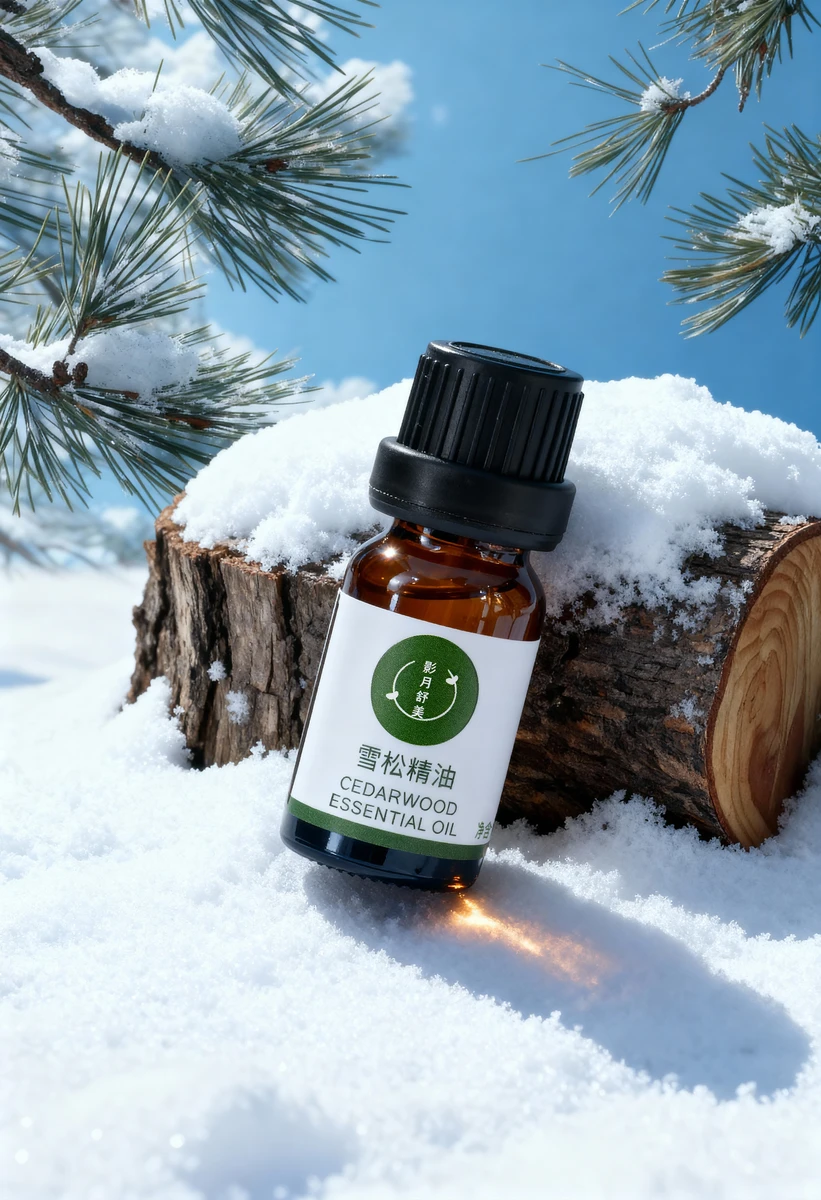
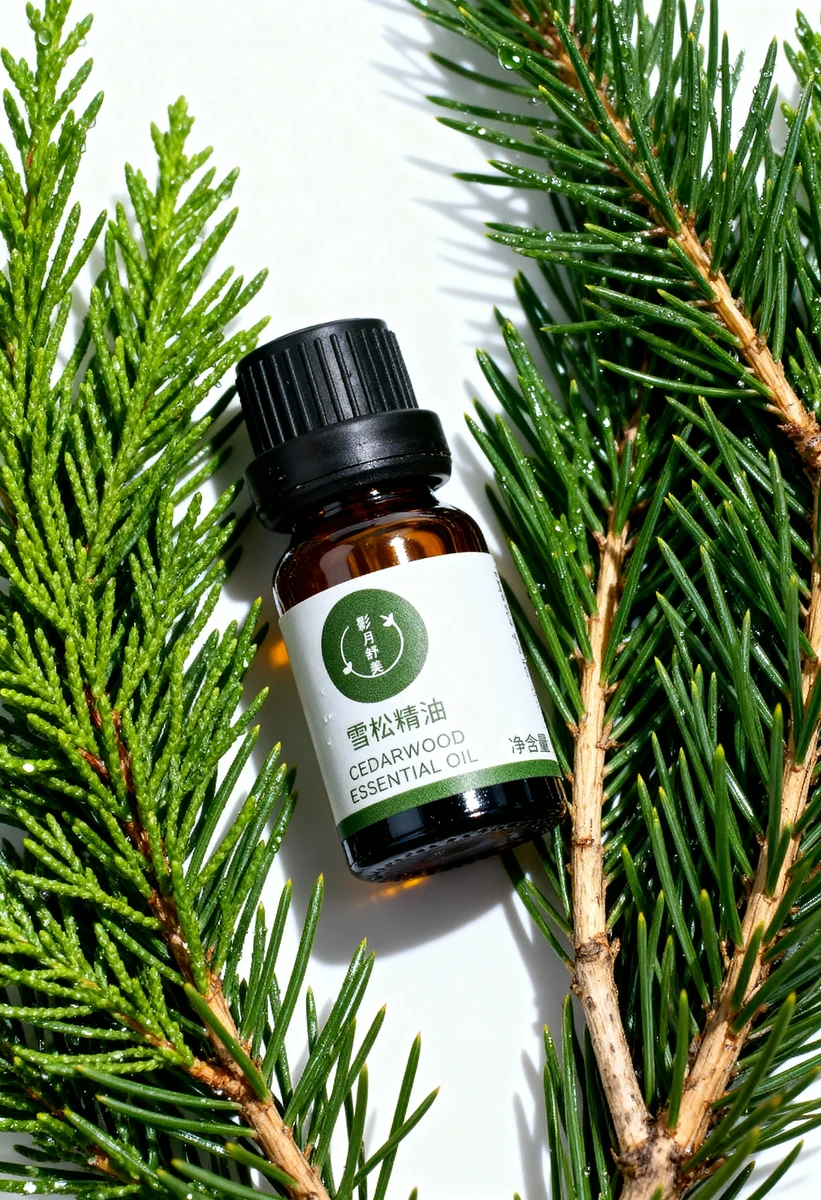
Cedarwood Essential Oil
$49.00
Cedarwood Essential Oil: Grounding Wood Energy, Strengthening Root Qi—A Traditional Chinese Medicine Approach to Wellness
“Anchor to the earth”
Enters the Kidney, the Spleen, and the Bladder Meridian
Common benefits: warming kidney yang, strengthening the spleen to resolve dampness, and dispelling wind to unblock collaterals.
Introduction
Within the framework of Traditional Chinese Medicine (TCM), human health is deeply interconnected with the Five Elements of nature. Cedarwood essential oil, with its steadying woody aroma and warming properties, serves as a natural remedy to tonify the kidney, support the spleen, dispel wind, and resolve dampness. It beautifully embodies the TCM Five Elements principles of “Wood Governs Flexibility” and “Earth Represents Nurturing.”
I. Cedarwood and Its Role in TCM Pattern Differentiation
Cedarwood has been used since ancient times in sacred rituals and healing. From a TCM perspective, it has a deep, earthy aroma, is warm in nature, and it enters to the kidney, spleen, and bladder meridians. Its functions include warming kidney yang, strengthening the spleen to resolve dampness, and dispelling wind to unblock collaterals. It is especially suitable for patterns such as kidney yang deficiency, spleen deficiency with dampness, or wind-damp obstruction, which may manifest as soreness and weakness in the lower back and knees, edema, fatigue, heavy joints, or itchy skin. Extracted through modern steam distillation, the essential oil is rich in cedrol and thujopsene, offering dual benefits of aromatherapy and external TCM treatment.
• Warming the Kidney and Receiving Qi, Strengthening Root Energy
In TCM, the kidney is considered the foundation of prenatal constitution, governing bones and producing marrow. The deep, woody scent of cedarwood essential oil can warm kidney yang, making it useful for symptoms such as cold limbs, low energy, or cold pain in the lower back caused by kidney yang deficiency. Diluted and massaged on acupoints like Mingmen (GV4), Shenshu (BL23), and Yongquan (KI1), it helps the kidney receive qi and strengthens bones and tendons, reflecting the TCM principle that “the kidney stores essence and is the official of power.”
• Strengthening the Spleen and Drying Dampness, Resolving Phlegm and Promoting Water Metabolism
Cedarwood has a notable effect on drying dampness and resolving phlegm. Its aromatic and drying quality can awaken the spleen and transform dampness, making it suitable for abdominal fullness, limb swelling, or phlegm-filled coughs due to spleen deficiency and dampness accumulation. Applying 2–3 diluted drops to acupoints such as Zusanli (ST36), Yinlingquan (SP9), and Fenglong (ST40) can enhance the spleen’s transportation and transformation functions, aligning with the TCM view that “the spleen is the source of phlegm, and the lung is the storehouse of phlegm.”
• Dispelling Wind and Relieving Itch, Detoxifying the Skin
Cedarwood essential oil can expel wind pathogens and resolve damp toxins, making it beneficial for skin conditions like eczema or hives caused by wind-damp invasion. TCM believes that “wind predominance leads to itching.” Its astringent and drying properties can harmonize the nutrient and defensive systems and relieve wind-induced itching. Diluted topical application or steam inhalation reflects the TCM concepts that “the lung governs the skin and hair” and “treating wind must involve treating the blood.”
• Calming the Spirit and Grounding Energy
The deep, grounding aroma of cedarwood helps anchor floating yang and calm the mind. It is suitable for insomnia, restless dreams, or lack of focus caused by overthinking or heart-kidney imbalance. Diffusing at bedtime or applying diluted oil to Baihui (GV20) and Shenmen (HT7) acupoints can guide fire back to its source and calm the spirit, resonating with the teaching in the 《Huangdi Neijing》: “When yang qi is refined, it nourishes the spirit.”
II. Usage Precautions
1. Use with caution during pregnancy and in individuals with kidney dysfunction.
2. Contraindicated for those with yin deficiency and fire excess.
3. Avoid long-term excessive use. Not for oral consumption.
III. Conclusion
Cedarwood essential oil is not only an “anchor to the earth” in aromatherapy but also a vivid embodiment of TCM Five Elements theory in wellness practice. With wood as its foundation and earth as its function, it warms the kidney, strengthens the spleen, dispels wind, and eliminates dampness—demonstrating the TCM holistic view of “correspondence between human and nature.” As stated in the 《Ben Cao Shi Yi》: “The qi of woody fragrance can connect with the divine.” This deep, grounding forest aroma carries the ancient wisdom of harmony between humanity and the natural world.