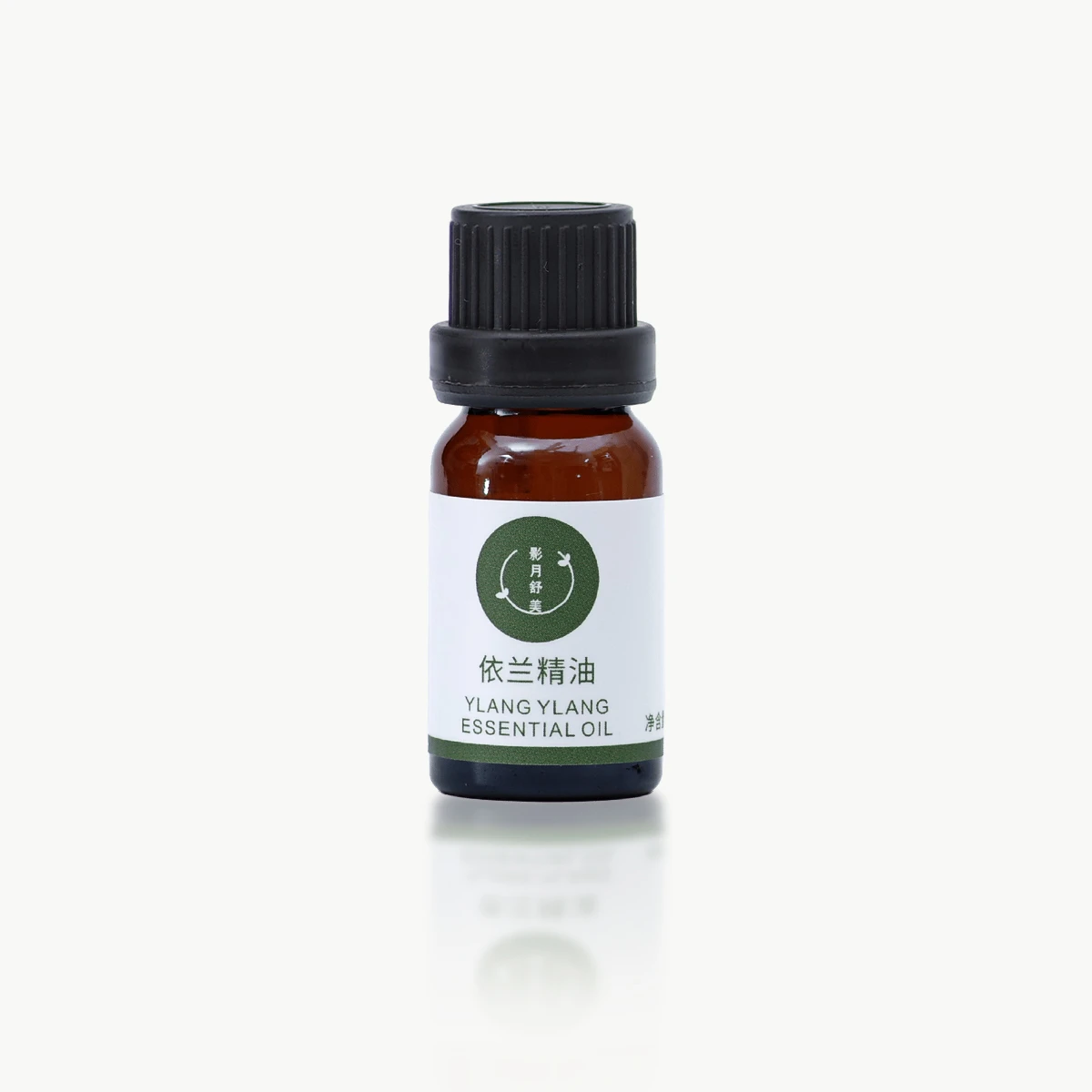
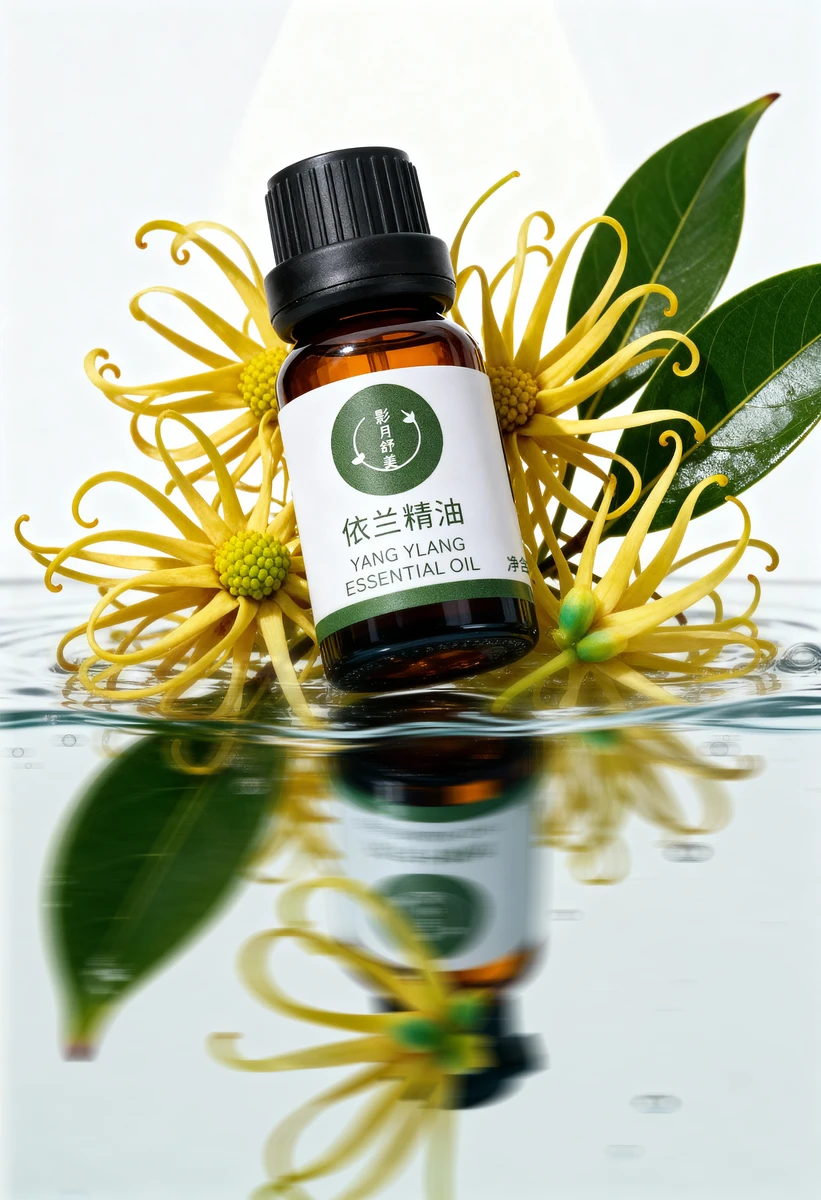
Ylang-Ylang Essential Oil
$58.00
Ylang-Ylang Essential Oil: Exotic Fragrance, Harmonizing Body and Mind with Traditional Chinese Medicine Wisdom
“Flower of tranquility”
Enters the Heart, the Liver, the Spleen, the Kidney Meridian
Common benefits: soothing the liver to relieve stagnation, warming the kidney and promoting qi absorption, strengthening the spleen to resolve dampness, and nourishing the heart to calm the mind
Introduction
In Traditional Chinese Medicine (TCM), health is fundamentally characterized by balanced qi and blood and the harmony of yin and yang. Ylang-ylang essential oil (derived from *Cananga odorata*), an aromatic extract from tropical islands, serves as a bridge connecting traditional TCM wisdom and modern natural therapy with its unique floral scent and pharmacological properties.
I. Alignment of Ylang-Ylang with TCM Theory
Ylang-ylang has long been used in traditional Southeast Asian medicine to soothe emotions and regulate female physiological functions. From a TCM perspective, its rich, sweet fragrance is warm in nature and it enters to the heart, liver, and kidney meridians. It functions to soothe the liver and relieve stagnation, warm the kidney and promote qi absorption, and nourish the heart to calm the mind. It is particularly effective in addressing issues caused by “liver qi stagnation” and “kidney yang deficiency,” such as emotional fluctuations, palpitations, insomnia, and physiological imbalances. Extracted through modern distillation, ylang-ylang essential oil contains compounds like benzyl benzoate and linalool, combining the dual benefits of aromatherapy and external TCM treatments.
• Soothing the Liver and Calming the Mind
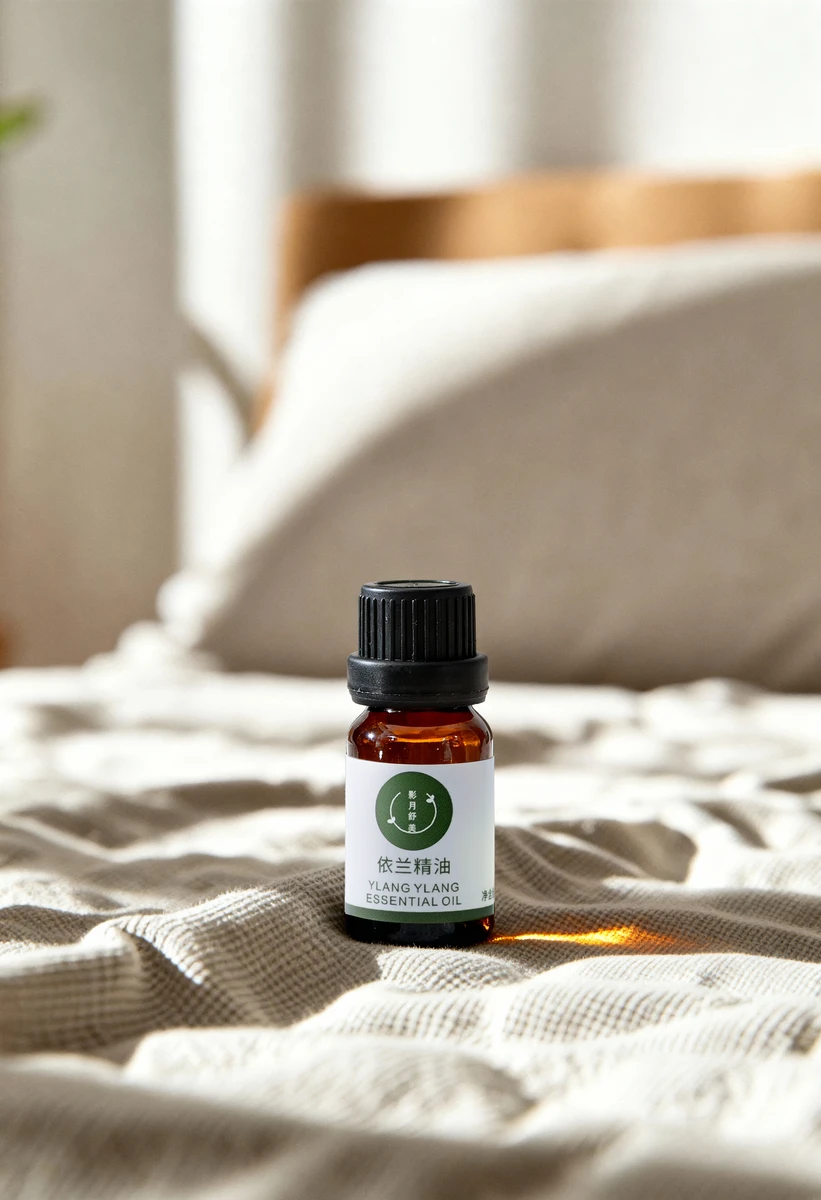
The fast-paced modern lifestyle often leads to liver qi stagnation and excessive heart fire, resulting in anxiety or low mood. The deep, lingering aroma of ylang-ylang essential oil effectively relieves tension, echoing the teaching in the 《Huangdi Neijing》: “Grief, sorrow, worry, and anxiety disturb the heart, and when the heart is disturbed, all internal organs are affected.” Through inhalation, the essential oil molecules act on the olfactory pathway, regulating the limbic system to calm heart fire and soothe liver stagnation. Diffusing at bedtime or applying a drop to the pillow functions like an “aromatic medicine,” helping to calm the mind and restore tranquility.
• Warming the Kidney and Supporting Yang, Regulating Chong and Ren Meridians
Ylang-ylang has traditionally been used in Southeast Asia to boost vitality and emotional harmony. TCM believes its warm and unblocking properties can promote kidney yang generation, making it suitable for symptoms like chills, low energy, or menstrual irregularities caused by kidney yang deficiency. When diluted and massaged on the lower back (Mingmen and Baliao points) or lower abdomen (Guanyuan and Qihai points), it can stimulate the innate foundation and harmonize the Chong and Ren meridians, reflecting the TCM principles that “the kidney governs reproduction” and “yang qi is the foundation of life.”
• Promoting Blood Circulation and Moisturizing the Skin
Ylang-ylang essential oil improves qi and blood circulation, making it suitable for muscle stiffness or dry skin caused by cold stagnation in the meridians. TCM holds that “qi commands blood,” and the oil’s pungent and dispersing properties help qi and blood reach the body’s surface. Diluted massage can enhance local circulation, and when blended with carrier oils, it moisturizes and relieves itching, aligning with the TCM concepts that “the lung governs the skin and body hair” and “moist blood ensures soft skin.”
• Resolving Dampness and Dispelling Turbidity
Its rich fragrance can dissolve dampness and turbidity, addressing symptoms like chest tightness and heaviness in the head caused by humid environments. Diffusion purifies the air and reduces damp pathogen invasion. When combined with massage of spleen meridian points (e.g., Zusanli, Yinlingquan), it strengthens the spleen and resolves dampness, embodying the classic TCM theory that “the spleen governs transportation and transformation” and “aromatic substances awaken the spleen.”
II. Usage Precautions
1. Pregnant women, individuals with low blood pressure, and those with allergies should use with caution.
2. Some may find the fragrance too intense; patch testing is recommended.
3. Avoid oral use and keep away from mucous membranes and eyes.
III. Conclusion
Ylang-ylang essential oil is not only the “flower of tranquility” in aromatherapy but also a practical embodiment of the TCM concept of “harmony between humans and nature” in daily health preservation. Using fragrance as a medium, it connects the body and spirit, regulating visceral qi through breath, and subtly demonstrating the resonance between life and nature. As noted in the 《Ben Cao Bei Yao》, “Fragrance unblocks qi, governs dispersion, and awakens the spleen.” This exotic aroma is a vivid testament to the integration of ancient and modern health wisdom.