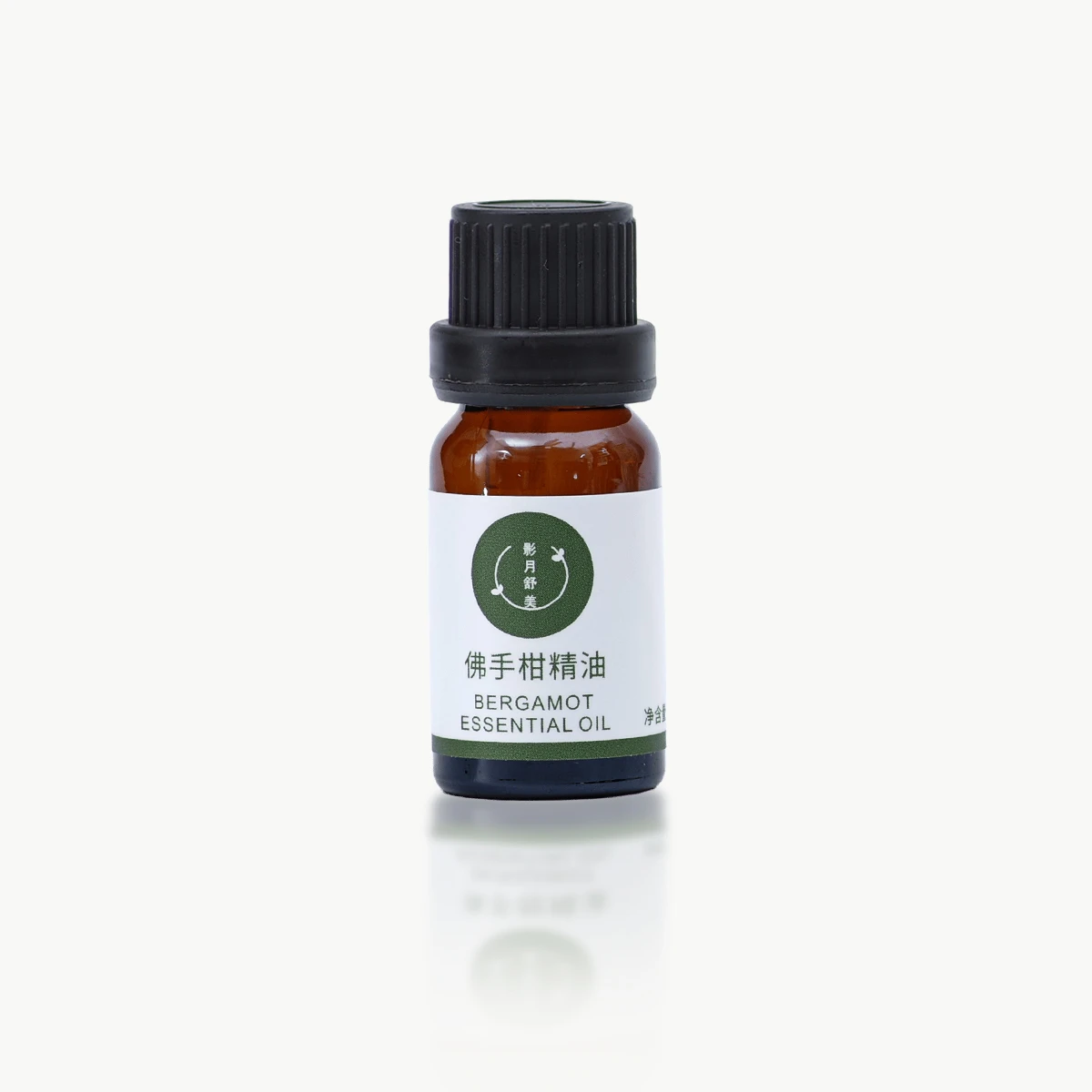
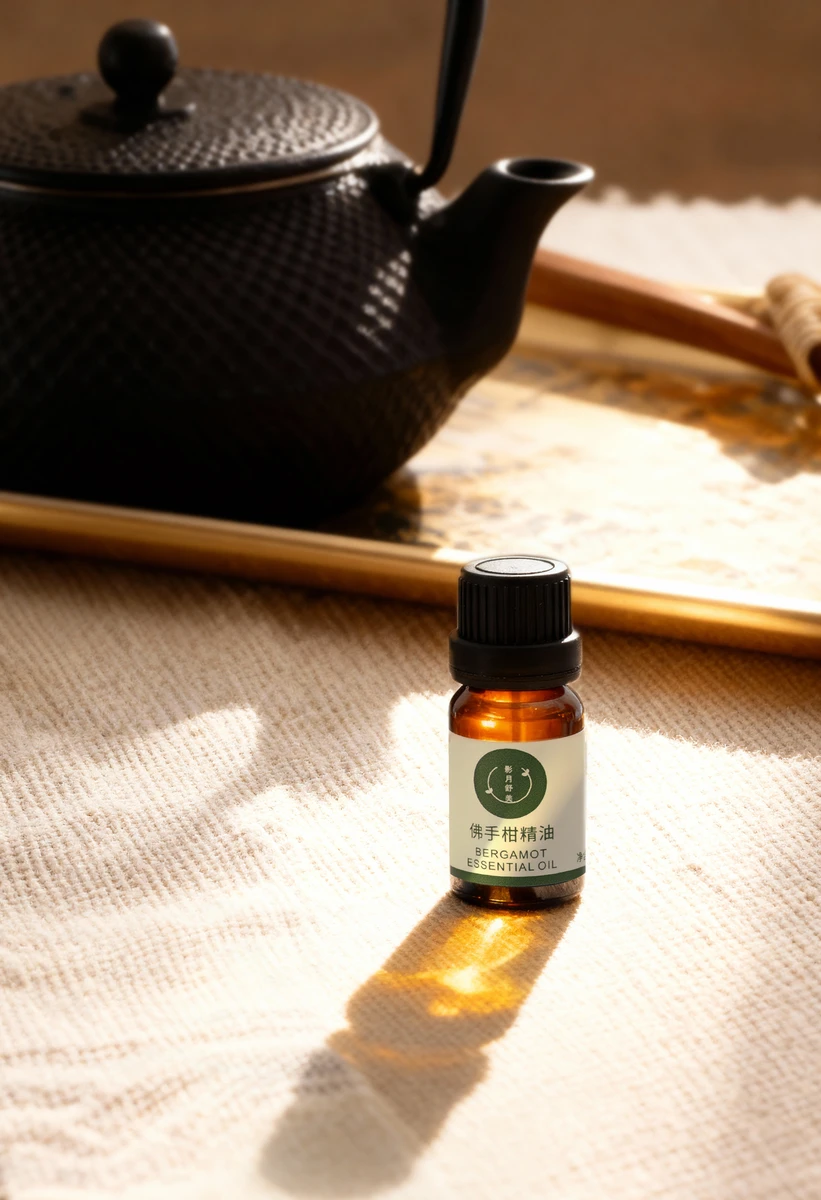
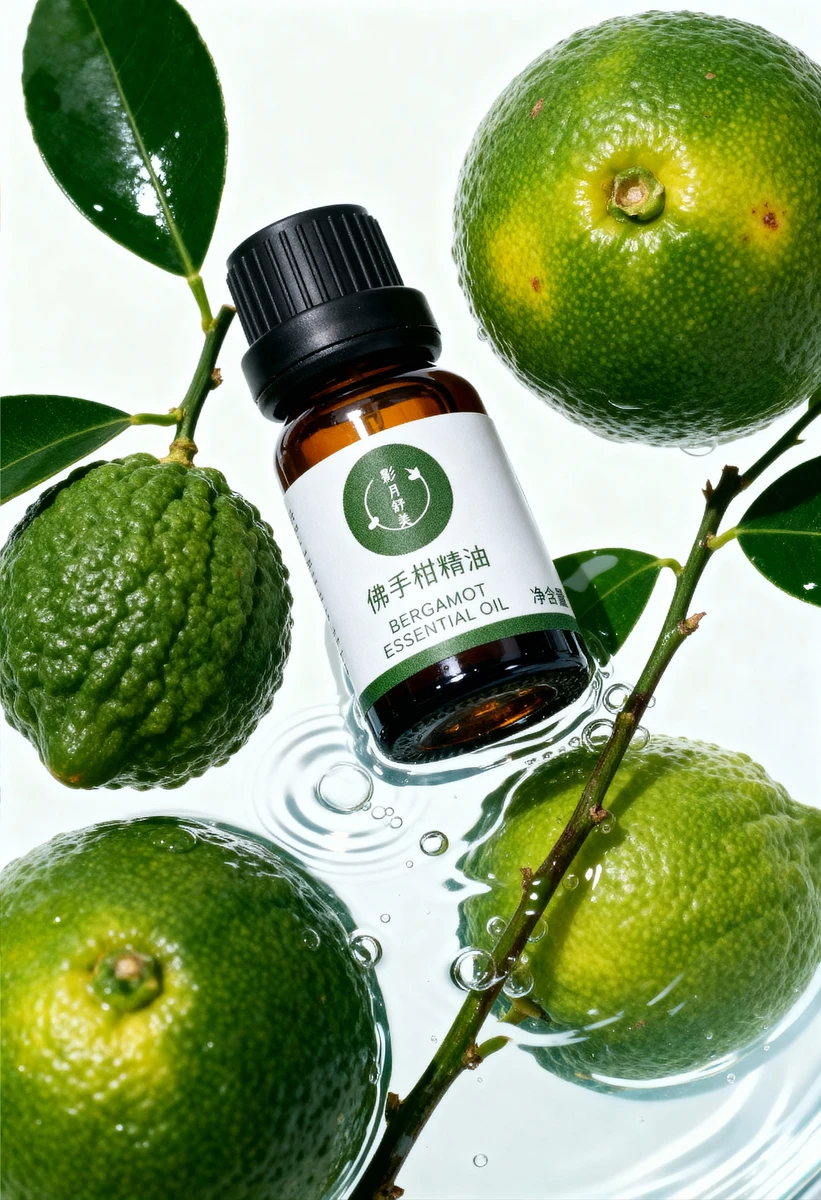
Bergamot Essential Oil
$64.00
“Bergamot Essential Oil: A Whiff of Fragrance, Harmonizing Body and Mind with Traditional Chinese Medicine Wisdom”
“Happy oil”
Enters the Liver, the Spleen, and the Stomach Meridian
Common benefits: soothe the liver and regulate qi, harmonize the stomach and alleviate pain, and dry dampness.
Introduction
In Traditional Chinese Medicine (TCM) theory, health is a natural state of yin-yang balance and harmonious qi and blood circulation. Bergamot essential oil has become a natural treasure in modern health preservation by integrating traditional wisdom with its unique aromatic properties and pharmacological effects.
I. The Alignment of Bergamot with TCM Theory
TCM holds that bergamot is warm in nature, pungent and bitter in taste, and it enters to the liver, spleen, and stomach. It functions to soothe the liver and regulate qi, harmonize the stomach and alleviate pain, and dry dampness to resolve phlegm. Its fragrance is clear and penetrating, capable of promoting qi movement and resolving stagnation. It is particularly effective in addressing issues caused by “liver qi stagnation,” such as emotional discomfort, chest and rib distension, and poor appetite. Extracted through modern cold-pressing or distillation techniques, bergamot essential oil retains the fruit’s primary active components (e.g., limonene, linalool), combining the dual advantages of aromatherapy and external TCM treatment.
• Soothing the Liver and Relieving Stagnation, Regulating Emotions
The pressures of modern life can easily lead to liver qi stagnation, triggering anxiety, depression, or irritability. The elegant, sweet aroma of bergamot essential oil can ease tension, echoing the Huangdi Neijing’s teaching: “With tranquility and emptiness, true qi follows; when spirit is guarded within, how can illness arise?” Through inhalation, the essential oil molecules act on the olfactory nerves, influencing the limbic system (the emotional center), thereby helping to release stress and promote qi and blood harmony. Daily diffusion or application on clothing collars allows it to function like an “intangible herbal medicine,” subtly regulating mood.
• Strengthening the Spleen and Harmonizing the Stomach, Resolving Dampness
Bergamot essential oil can awaken the spleen and stimulate the appetite, aiding digestion and resolving dampness. For symptoms like abdominal distension and poor appetite due to dampness obstructing the middle burner, 1–2 drops diluted in a carrier oil can be massaged clockwise onto the abdomen or inhaled with warm water. Its pungent fragrance can stimulate digestive secretions, aligning with the TCM principle that “the spleen prefers dryness and dislikes dampness,” thus relieving spleen-stomach discomfort.
• Diffusing Lung Qi and Resolving Phlegm, Promoting Qi Movement
Bergamot’s phlegm-resolving effect makes it suitable for damp-phlegm cough or throat discomfort. Diffusing the oil can purify the air, reducing the invasion of external pathogens (e.g., damp turbidity, epidemic qi). When combined with massage of lung meridian points (e.g., Zhongfu, Yunmen), it can diffuse lung qi and transform damp phlegm, embodying the TCM holistic view that “the lung governs qi and manages respiration” and “the lung is connected to the skin and body hair.”
• External Use to Ward Off Pathogens, Calming the Mind and Improving Sleep
Diluted and applied to temples or Yongquan (KI1) acupoints, the oil can alleviate headaches and improve sleep. TCM believes that “when yang qi enters yin, sleep occurs.” Bergamot’s warm nature can assist in the interaction between the heart and kidneys, harmonizing nutrient and defensive qi. Its antibacterial and antiviral properties (referred to as “expelling pathogens” in TCM) also make it suitable for skin issues like eczema or acne, though low dilution is necessary to avoid irritation.
• Topical use for expelling pathogens and regulating skin
Its antibacterial and antiviral properties (referred to as “expelling pathogens” in traditional Chinese medicine) are also effective for skin conditions such as eczema and acne. However, it must be diluted to a low concentration to avoid irritation.
II. Usage Precautions
1. Bergamot essential oil is photosensitive; avoid sun exposure after topical application.
2. Pregnant women and those with allergies should use with caution and consult a professional.
3. Oral use should be guided by a doctor; for general health preservation, external use and diffusion are recommended.
III. Conclusion
Bergamot essential oil is not only the “oil of joy” in aromatherapy but also a practical embodiment of TCM theory in daily health care. Using fragrance as a medium, it connects body and mind, harmonizing qi and blood with every breath, and exemplifying the harmony between nature and life in subtle ways. As recorded in the Compendium of Materia Medica, bergamot “can disperse with its pungency, drain with its bitterness, and harmonize with its warmth.” This whiff of Eastern citrus fragrance is a testament to the convergence of ancient and modern wisdom in the art of well-being.